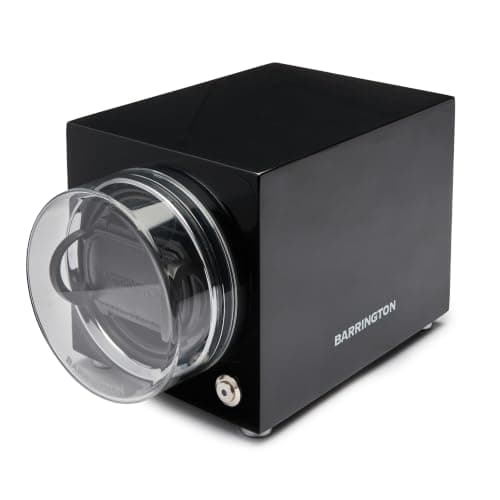
How-to
How to store automatic watches when not worn
Published
Short answer
You can let an automatic watch stop, wind it by hand every week or two, or keep it running on a watch winder. Letting it stop does no harm to a modern movement. Store it in a dry, room-temperature box away from magnets, phones and direct sun, with the crown pushed in.
Watches and gear for this
All 5 picks compared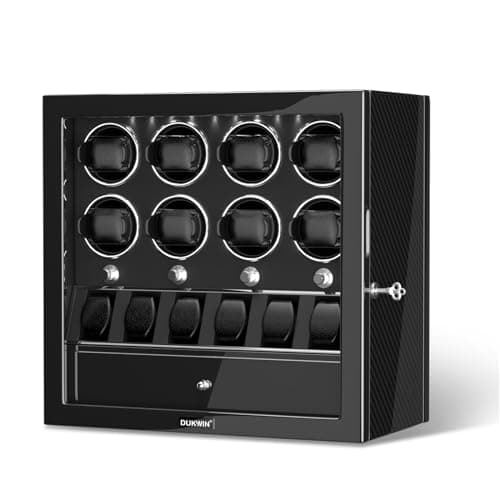
DUKWIN 8-watch winder with 6 storage slots
See price on AmazonSee it on Amazon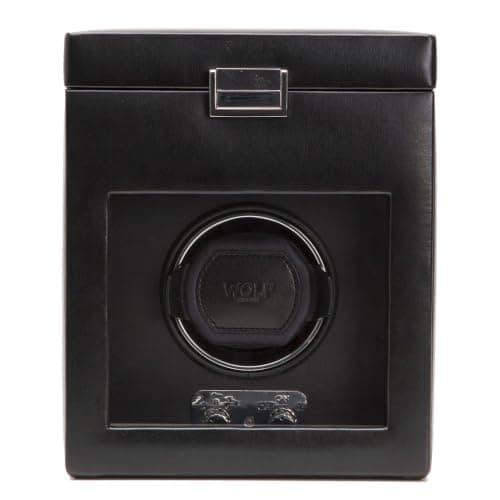
Wolf Heritage Single with Storage: up to 52 mm cases
See price on AmazonSee it on Amazon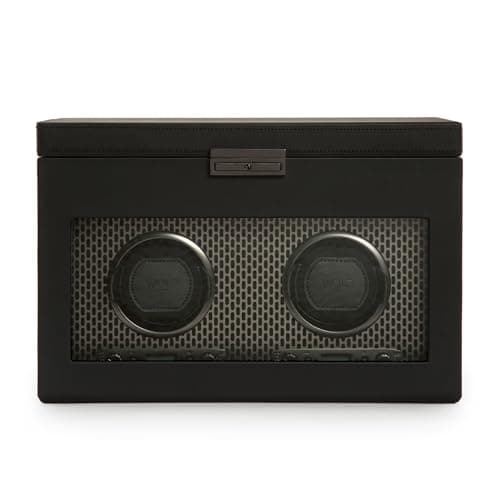
Wolf Axis Double with Storage: 2 programmable winders
See price on AmazonSee it on Amazon
Once you own more than one automatic, you need a plan for the ones off your wrist. This page explains what happens when an automatic stops, the three ways to handle storage and who each suits, where and how to keep watches safe, and what to do before long-term storage. It is for owners of a small rotation and anyone putting a watch away for weeks or months.
Does an automatic watch stop when not worn?
Yes. An automatic watch runs on the energy stored in its mainspring. When you take it off, it keeps running for the length of its power reserve, then stops. That is about 41 hours for the Seiko 4R36, about 40 hours for many Orient calibers and up to 80 hours for Powermatic 80 and Hamilton H-10 watches, according to their listings.
Stopping does not hurt the watch. Nothing breaks and nothing needs to be reset except the time and date. Read automatic watch power reserve explained for more on how long yours will run.
Option 1: let it stop
This is the simplest choice and costs nothing. When you want to wear the watch, wind it, set it and put it on. It suits people with a few watches who are happy to spend a minute setting time and date. Use the right order: see how to start a stopped automatic watch and how to set an automatic watch.
Some people worry that oils settle if a watch sits still. Modern synthetic lubricants are designed to stay in place, and the service interval matters more than whether the watch runs every day. Running a watch occasionally does no harm, but there is no need to keep it running constantly.
Option 2: wind it by hand on a schedule
- 1
Once a week or so, take the watch out and wind it with the crown in its normal position.
- 2
Give it enough turns to run it for a day or two; many movements need a few dozen turns from empty to get going well.
- 3
Let it run, then put it back. It will stop again on its own.
- 4
Check the manual first: most current automatics, including the Seiko 4R36, Orient F6922 and Powermatic 80, can be hand wound, but some older and cheaper movements cannot.
Note.Do not wind a screw-down crown in the screwed position. Unscrew it first, wind, then screw it back down without forcing it.
Option 3: use a watch winder
A winder keeps the watch running so time and date stay correct. That is most useful for watches with complications that are tedious to set, such as moonphases, perpetual calendars and some GMTs, and for people who switch watches often. A winder adds some wear to the winding system, so set the lowest turns per day that keeps the watch running. See watch winder TPD settings and do you need a watch winder.
If you want storage and winding in one piece of furniture, look at watch winders with storage. For one or two watches, a compact single winder is enough; see best single watch winders.
Where to keep stored watches
A simple lined watch box in a bedroom drawer or closet shelf meets most of these needs. Glass-top boxes are nice for display but keep them out of a sunny window. If you live somewhere humid, a small silica gel pack in the box helps keep leather and gaskets in good shape; replace or dry it when it is saturated.
- Dry and at room temperature. Avoid bathrooms, cars, window sills and attics, where heat and humidity swing.
- Away from magnets: phones, tablets, speakers, laptop lids, magnetic bag clasps and some jewelry box catches can magnetize a watch.
- Out of direct sunlight, which can fade dials and straps.
- In separate compartments, so watches do not scratch each other. Lined watch boxes or soft pouches both work.
- Crown pushed in or screwed down, to keep dust and moisture out.
- Leather straps allowed to dry before storage, and kept flat or gently curved, not crushed.
Long-term storage
For storage of several months, wind and run the watch for a day every month or two if you can, which keeps parts moving. Keep it with its box, papers and removed bracelet links. Before wearing it again after a long break, wind it fully, check that it keeps time over a few days and check the crown and gaskets if it is a watch you swim with. If it has not been serviced for years, see how often to service an automatic watch.
Frequently asked questions
Is it bad to let an automatic watch stop? No. Letting it stop does not damage the movement. You only need to wind and set it before wearing it again.
How often should I run a stored automatic? There is no strict rule. Many owners wind stored watches every few weeks; it is a habit, not a requirement.
Should I store my watch on a winder all the time? Only if it is worth it to you to keep it set. A winder adds some wear, so it makes the most sense for complicated watches or frequent rotation.
Can I store watches next to my phone? Avoid it. Phone magnets and speakers can magnetize a watch and make it run fast. Keep a few inches or more of distance.