Explainer
Watch water resistance ratings explained: 30, 50, 100 and 200 m
Published
Short answer
A water resistance rating is a test pressure, not a safe diving depth. 30 m (3 bar) is for splashes and hand washing, 50 m is for brief light swimming, 100 m handles swimming and snorkeling, and 200 m or more with a diver's marking suits recreational scuba. Always follow the maker's own wording, which can be stricter, and screw down the crown before water.
Watches and gear for this
All 7 picks compared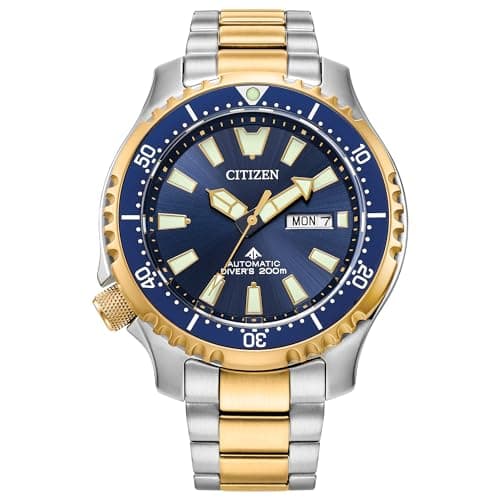
Citizen Promaster Fugu NY0154: ISO compliant, sapphire
See price on AmazonSee it on Amazon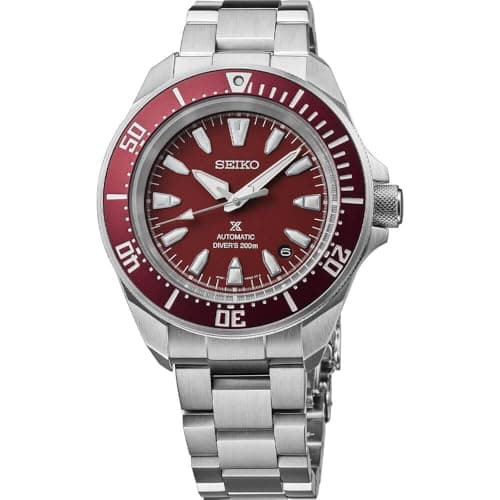
Seiko Prospex SRPL11 Samurai: 200 m diver, 41.7 mm
See price on AmazonSee it on Amazon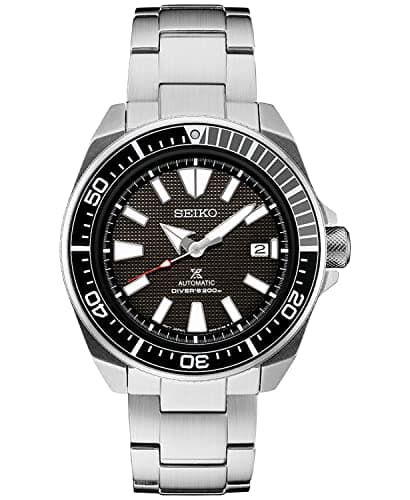
Seiko Prospex SRPF03: ISO scuba approved, 4R35
See price on AmazonSee it on Amazon
Watch backs and listings say things like 30 m, 5 bar, 100 m or 200 m diver's, and the numbers are easy to misread. A watch marked 30 m will not survive a dive to 30 meters, and two watches rated 100 m can come with different advice from their makers. This page is for anyone who wants to wear a watch in the pool, the sea or the shower without flooding it. It explains what each common rating means in practice, how ratings are tested, what makes a real dive watch, and how to keep the seals working. For a quick lookup, use our water resistance decoder.
Why 30 m does not mean 30 meters deep
The rating describes the pressure the watch withstood in a static test, in a lab, with the watch held still. Real use is different. Swimming strokes, diving into a pool, jets of water and temperature changes all create brief pressure spikes and flex the seals. Gaskets also age, dry out and shrink over the years. So the printed number is a test value with a safety margin built in, not a depth you can safely reach.
Ratings are often shown in three ways that mean the same thing: meters, bar or atmospheres, and feet. One bar is roughly the pressure of 10 m of water, so 10 bar, 10 ATM and 100 m are the same rating.
What each rating is commonly considered good for
This table follows commonly published guidance. Your watch's manual or listing comes first: some makers are more cautious than this table, and their advice is the one your warranty follows.
| Rating | Also shown as | Commonly suitable for | Not suitable for |
|---|---|---|---|
| 30 m | 3 bar / 3 ATM | Rain, splashes, hand washing | Swimming, showering, bathing |
| 50 m | 5 bar / 5 ATM | Brief light swimming | Snorkeling, diving, water sports |
| 100 m | 10 bar / 10 ATM | Swimming and snorkeling | Scuba diving |
| 200 m | 20 bar / 20 ATM | Swimming, snorkeling, recreational scuba if marked as a diver's watch | Saturation diving |
| 300 m and up | 30 bar and up | Same as 200 m with more margin | Saturation diving unless built for it |
Maker wording can be stricter than the number
Different brands describe the same rating differently, so read the exact words in the listing or manual. A few examples from listings we track show the range.
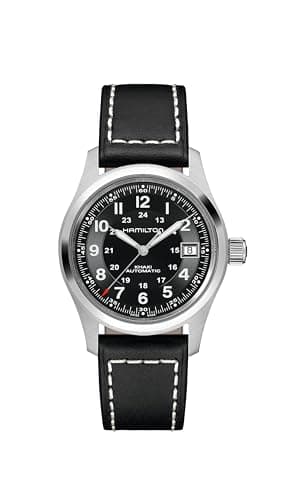
Tissot describes the PRX at 10 bar (100 m) as suitable for short periods of recreational swimming and showering, but no diving or snorkeling. Seiko's listing for the 100 m SRPD Seiko 5 Sports says it withstands splashes, showers and short durations of immersion. Hamilton lists the 38 mm Khaki Field Mechanical at 5 bar (50 m) and describes it as ideal for swimming and outdoor pursuits. An Orient 40 mm diver style watch rated 200 m is described as suitable for serious surface water sports, but not diving, because it is not certified as a diver's watch.
The lesson is simple: the number tells you how the case was tested, and the maker's wording tells you what they will stand behind. Our guide to whether the Tissot PRX is waterproof goes deeper on one example.
What makes a real dive watch
A watch marked DIVER'S or DIVER'S 200m is claiming compliance with ISO 6425, the international standard for diver's watches. A 200 m rating on a watch without that marking does not mean the same thing. Seiko's Prospex SRPL11 listing, for example, specifies 200 m diver's water resistance with a screw down crown and screw case back.
ISO 6425 sets minimums that go well beyond a pressure test. For details, read what is ISO 6425.
- Water resistance of at least 100 m, with an overpressure test at 125 percent of the rating.
- A unidirectional bezel or other way to preselect time, with minute marks.
- Readable in the dark at 25 cm, with a running indicator visible in the dark.
- Tests for magnetic resistance, shock resistance and salt water resistance.
Note.Dive watches are a backup timing tool. Real dives are planned and timed with a dive computer, and you should follow your training agency's guidance.
How to keep a watch water resistant
- 1
Screw down the crown fully before any water contact if your watch has a screw down crown.
- 2
Never pull out or turn the crown, or press chronograph pushers, underwater unless the maker says it is allowed.
- 3
Rinse the watch in fresh water after the sea or a chlorinated pool, and let it dry.
- 4
Avoid hot showers, hot tubs and saunas. Heat makes gaskets expand and contract and is not covered by the rating.
- 5
Have the water resistance tested when the watch is serviced, and after any hard knock to the crown or crystal. Gaskets wear out over time.
- 6
If you see fog under the crystal, stop wearing it in water and get it checked quickly to prevent rust inside.
Choosing a watch by water resistance
If you swim regularly, 100 m with a screw down crown is a sensible minimum, and a real diver's watch is better. If the watch is for the office and the occasional rain shower, 30 m or 50 m is fine. A dress watch often has lower water resistance, so treat it accordingly.
Our best dive watches under $500 and best dive watches under $1,000 list each model's rating. For field watches, which often sit at 50 m or 100 m, see best field watches.
Frequently asked questions
Is a Seiko 5 water resistant? Current Seiko 5 Sports models are listed at 100 m (10 bar). Seiko's listing for the SRPD describes it as able to withstand splashes, showers and short durations of immersion. Older Seiko 5 models are often rated 30 m or 50 m, so check the caseback.
Is a 300 m water resistant watch waterproof? No watch is fully waterproof, which is why makers use the term water resistant. A 300 m rating gives a large margin for swimming and recreational diving, provided the seals are in good condition.
Can I shower with a 100 m watch? Many makers allow it, and Tissot's PRX listing mentions showering. Hot water and soap are harder on gaskets than cold water, so many owners take watches off for hot showers anyway.
Does water resistance last forever? No. Gaskets age, so the rating only holds if the seals are maintained. Have it tested at each service.