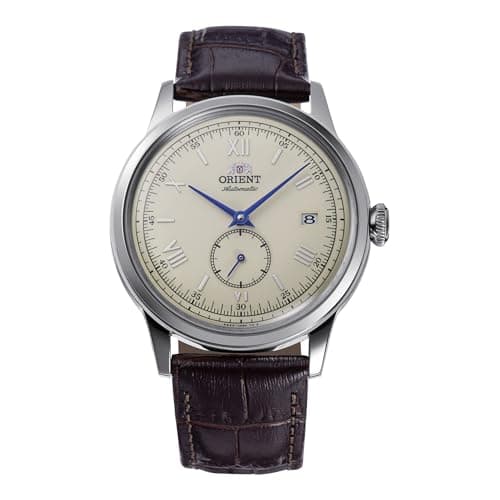
Fix
Automatic watch keeps stopping: causes and fixes
Published
Short answer
Most automatic watches that keep stopping are simply not getting fully wound. Low daily activity or a short time on the wrist leaves the mainspring partly charged, so the watch stops overnight or soon after you take it off. If it still stops after a full hand wind well short of its rated power reserve, magnetism, dried oils or a worn mainspring are the next suspects.
Watches and gear for this
All 8 picks compared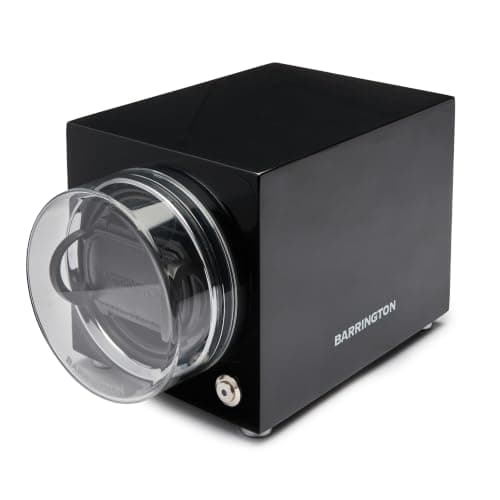
Barrington Single: 5 TPD settings, 3 directions
See price on AmazonSee it on Amazon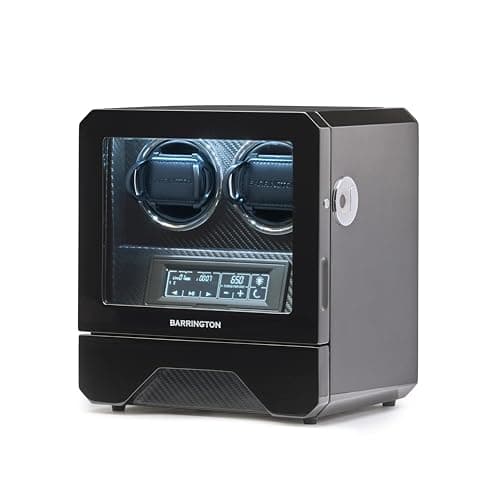
Barrington Double: fingerprint lock and remote
See price on AmazonSee it on Amazon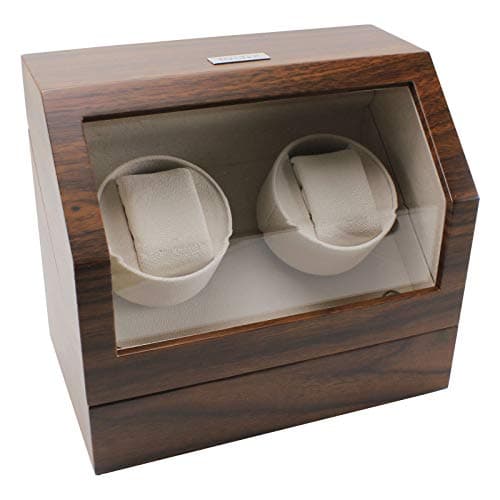
Heiden Double in walnut: 2 watches, battery or AC
See price on AmazonSee it on Amazon
An automatic watch that stops is not always broken. Automatics only run as long as their mainspring has energy, and many owners do not move enough to keep it full. This page lists the common causes in order of likelihood, from normal behavior to faults that need a watchmaker, with simple checks you can do at home. It applies to Seiko, Orient, Citizen, Tissot, Hamilton and any other self-winding watch. For background, see power reserve explained.
Causes, from most to least likely
| Cause | Typical sign | What to do |
|---|---|---|
| Not worn long enough | Stops a day or two after you take it off | Normal. Wind, set and wear, or use a winder |
| Low activity while worn | Stops overnight even after a day's wear | Hand wind 20 to 40 turns each morning |
| Power reserve shorter than expected | Stops the morning after a weekend off | Check the listed reserve; most affordable movements are about 40 hours |
| Magnetism | Runs fast, erratic, or stops | Test and demagnetize |
| Dried oils or dirt | Stops early even after a full wind | Service |
| Worn or broken mainspring | Will not hold a wind at all | Watchmaker repair |
| Shock damage | Stopped after a knock | Watchmaker repair |
Normal behavior: the power reserve ran out
Every automatic stops when its power reserve is used up. Seiko lists about 41 hours for its 4R35 and 4R36, Orient lists 40 hours for the F6922, and Citizen lists 42 hours for the Tsuyosa. Take one of these off on Friday evening and it is normal to find it stopped by Sunday. Watches with Tissot's Powermatic 80 or Hamilton's H-10 are listed at up to 80 hours and last longer.
If this is what you see, nothing is wrong. Wind it, set it and wear it. If resetting annoys you, a watch winder keeps it running. Read do you need a watch winder for when one is worth it.
Partial winding from low activity
The rotor needs steady movement to wind the spring fully. Office work, driving or wearing the watch for a few hours a day may not keep up with what the watch uses. The watch then starts each night with only part of its reserve and stops by morning.
The fix is to top it up. If your movement hand winds, as the Seiko 4R36, Orient F6922 and most modern calibers do, give the crown 20 to 40 turns in the morning. Older movements like the Seiko 7S26 cannot be hand wound, so swing the watch gently or wear it longer. See how to wind an automatic watch.
- 1
Wind the watch fully by hand, about 30 to 40 crown turns from stopped on many movements.
- 2
Set the time and leave it dial up on a table.
- 3
Check when it stops.
- 4
If it runs close to its listed reserve, the movement is fine and partial winding was the cause.
Magnetism
Strong magnets in phones, laptop lids, speakers, bag clasps and some tablet cases can magnetize the hairspring. Its coils then stick together, and the watch usually runs very fast, though it can also behave erratically or stop. This is common and easy to fix.
Test with a compass held next to the watch: if the needle moves as you pass the watch over it, it is magnetized. A watchmaker can demagnetize it in minutes, and inexpensive demagnetizers are sold for home use. Our magnetized watch fix covers the steps.
Note.Keep automatic watches a few inches away from phones, laptops and magnetic closures, especially overnight.
When it needs a watchmaker
If a watch stops long before its rated reserve after a full hand wind, the movement is losing energy. The usual causes are oils that have dried or thickened with age, dirt in the movement, a worn or broken mainspring, or damage from a drop. None of these are home repairs.
A watch in this state needs a service: the movement is taken apart, cleaned, oiled, and worn parts are replaced. See how often to service an automatic watch for what that involves. If the watch is under warranty, contact the seller or maker first.
- Stops within a few hours of a full wind.
- Crown winds with no resistance and never feels like it is building tension.
- Stopped right after a knock or drop.
- Has not been serviced in many years and keeps poor time.
Frequently asked questions
Why does my automatic watch stop overnight? Usually because it was not fully wound during the day. Give it 20 to 40 crown turns each morning, or wear it longer, and see if the problem goes away.
Is it bad for an automatic watch to stop? No. Stopping does not harm the movement. Wind it, set it and it carries on.
How long should an automatic watch run off the wrist? Up to its listed power reserve, often about 40 hours for affordable movements and up to 80 hours for some Swiss movements, if it was fully wound.
Can I fix a watch that keeps stopping myself? You can rule out partial winding and magnetism at home. Dried oils, a worn mainspring or shock damage need a watchmaker.