How-to
How to wind an automatic watch
Published
Short answer
With the crown pushed in (or unscrewed to its first position on a screw-down crown), turn it clockwise, away from you. From stopped, about 30 to 40 turns fully winds many movements; the exact number varies by caliber. You cannot overwind an automatic, because its mainspring slips once full. Some movements, like the Seiko 7S26, cannot be hand wound at all.
Watches and gear for this
All 7 picks compared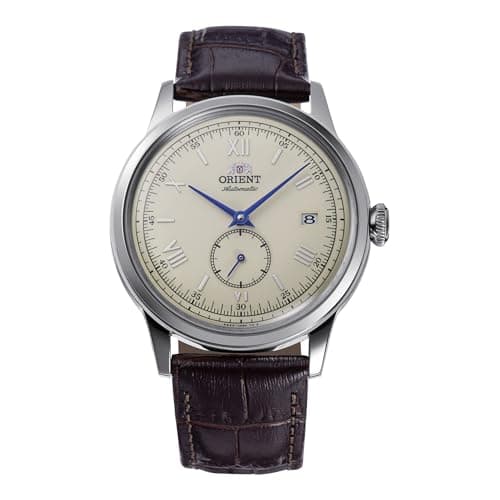
Orient Bambino V7: 38.4 mm with 44 mm lug to lug
See price on AmazonSee it on Amazon
Citizen Tsuyosa NJ0150: 40 mm with sapphire crystal
See price on AmazonSee it on Amazon
Orient Kamasu: sapphire and 120-click bezel at 41.8 mm
See price on AmazonSee it on Amazon
Automatic watches wind themselves as you wear them, but a hand wind is the fastest way to start a stopped watch or top up one that has had a quiet day. This page explains how to find the winding position on the crown, how many turns to give, whether to wind every day, and why overwinding is not a risk. It also covers watches that cannot be hand wound. If your watch keeps stopping even after winding, read automatic watch keeps stopping.
Check whether your watch can be hand wound
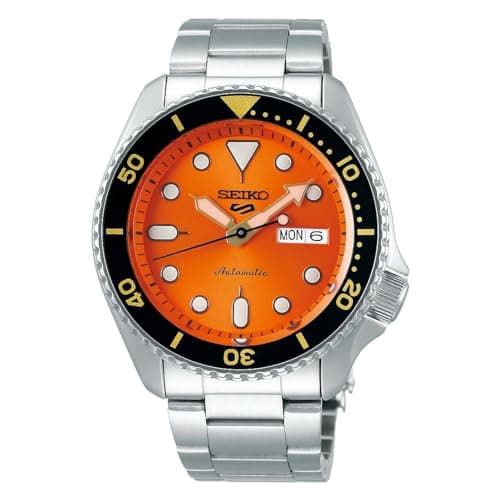
Most modern automatic movements can be wound through the crown. Listings for the Seiko 4R35, 4R36 and 4R34, the Orient F6922 and F6P22, and Tissot's Powermatic 80 all describe automatic movements with hand winding or a crown that winds. Some older or simpler movements cannot be hand wound. The best known example is the Seiko 7S26 found in older Seiko 5 and SKX models.
To check, try the steps below. If the crown turns freely with no clicks and the seconds hand does not start, your movement may not hand wind. Look up the caliber in the manual or on the maker's site to be sure. See Seiko 5 movements explained for the Seiko calibers.
How to hand wind an automatic watch
- 1
Take the watch off. Winding on the wrist puts sideways stress on the crown stem.
- 2
Find the winding position. On a push-pull crown, leave it pushed in. On a screw-down crown, as on many dive watches, unscrew it counterclockwise until it pops out to its first position, which is the winding position.
- 3
Turn the crown clockwise, away from you. Use smooth, steady turns. On most movements, turning the other way does nothing or freewheels.
- 4
Count your turns. From stopped, about 30 to 40 turns is a common rule of thumb for a full wind; some movements take more. For a daily top up, 10 to 20 turns is plenty.
- 5
Set the time and date. Pull the crown to the setting position, set it, then push it back in.
- 6
Close a screw-down crown. Push in and screw it down clockwise until snug. Do not overtighten.
Note.If the crown feels gritty or very loose, or will not screw down, stop and have a watchmaker check it. A damaged stem or crown seal can let water in.
Can you overwind an automatic watch?
No. An automatic's mainspring is attached to the barrel by a slipping bridle rather than a fixed hook. Once the spring is fully wound, it slips inside the barrel instead of tightening further. That is what lets the rotor keep spinning while you wear the watch all day without damage.
Because the spring slips, an automatic usually does not give a hard stop when full. You may feel the crown get slightly smoother, or nothing at all. Stopping at around 40 turns is a sensible habit that saves wear on the crown and stem. This is different from many hand wound watches, such as the Hamilton Khaki Field Mechanical with its H-50, which do have a firm stop; never force those past it.
Should you wind an automatic watch every day?
You do not need to if you wear it for most of the day and are reasonably active. The rotor does the work. A daily top up of 10 to 20 turns helps if you sit most of the day, wear the watch only a few hours, or notice it stopping overnight.
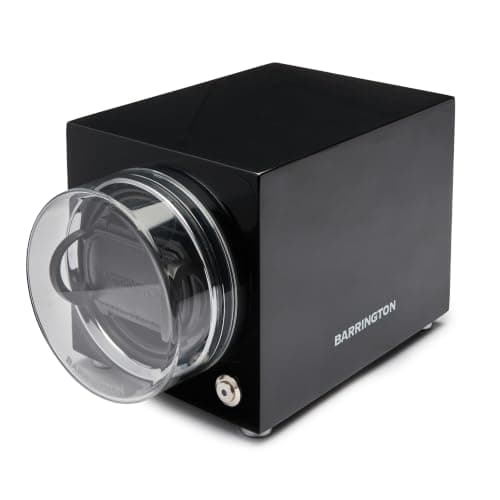
If you rotate watches, winding is part of putting one on. Give a stopped watch a full wind before you set it so it starts with a full reserve. If you do this often, a watch winder can do it for you; read do you need a watch winder first.
- Desk job, worn all day: top up 10 to 20 turns most mornings.
- Active, worn all day: no winding needed.
- Worn a few hours: wind fully each time.
- Rotated weekly: full wind when you pick it up, or use a winder.
Watches that cannot be hand wound
If your movement does not hand wind, start it by moving it. Hold the watch dial up and swing it gently side to side in a short arc for about a minute, until the seconds hand runs. Then set the time and wear it. It will build reserve as you move.
Do not shake the watch hard or tap it against your hand. A smooth swing is enough to move the rotor. Our page on how to start a stopped automatic watch covers the method, and how to wind a Seiko 5 covers old and new Seiko 5 models.
Frequently asked questions
How many turns does it take to wind an automatic watch? From stopped, about 30 to 40 crown turns is a common rule of thumb for many movements. Check your manual, since some calibers need more.
Which way do you wind an automatic watch? Clockwise, turning the top of the crown away from you. Turning the other way usually does nothing.
Is it bad to hand wind an automatic watch? No. Occasional hand winding is normal and expected on movements that support it. Take the watch off first to avoid stressing the stem.
Why does my automatic watch not wind with the crown? Some movements, such as the Seiko 7S26, do not hand wind. Swing the watch gently or wear it to start it.