Explainer
Dive watch straps: rubber, NATO, bracelet or leather
Published
Short answer
For swimming and diving, a rubber or silicone strap is the most practical choice: it shrugs off water, dries fast and is comfortable in heat. A NATO strap is a cheap, secure alternative that also handles water. A steel bracelet is the most versatile for daily wear. Leather looks good with a diver on a dressier day but should be kept away from water.
Watches and gear for this
All 7 picks compared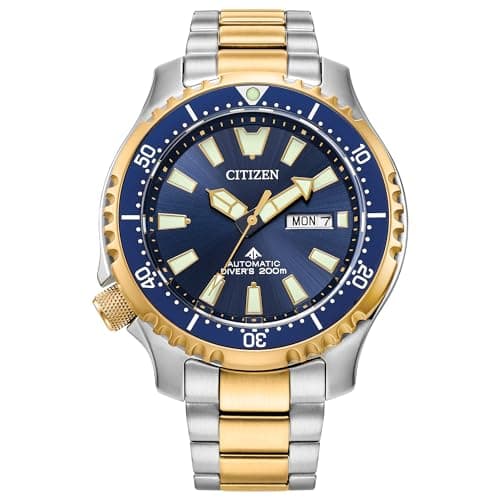
Citizen Promaster Fugu NY0154: ISO compliant, sapphire
See price on AmazonSee it on Amazon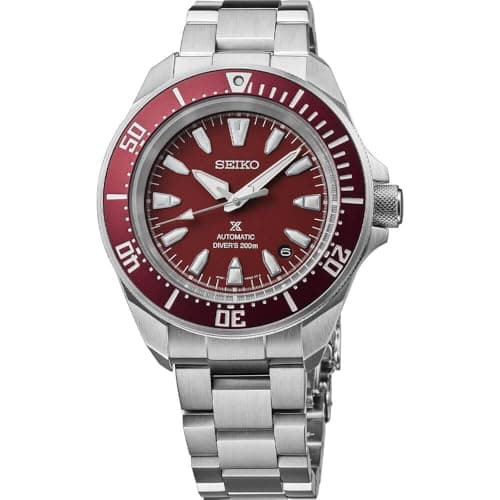
Seiko Prospex SRPL11 Samurai: 200 m diver, 41.7 mm
See price on AmazonSee it on Amazon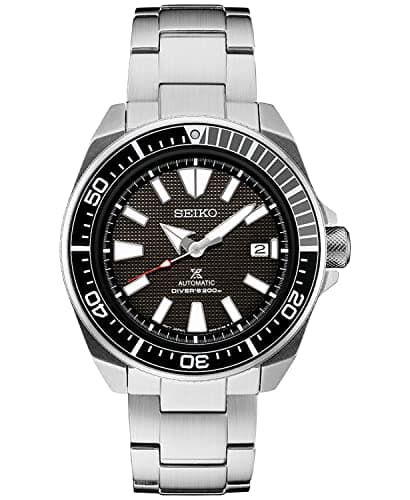
Seiko Prospex SRPF03: ISO scuba approved, 4R35
See price on AmazonSee it on Amazon
A dive watch is built for water, but the strap it comes on is not always the best choice for how you actually wear it. Swapping straps is one of the cheapest ways to change how a watch looks and feels. This page is for dive watch owners deciding between rubber, NATO, bracelet and leather, and anyone shopping for a diver who wants to know which version to buy. It covers what each material is good at, what to avoid, how to get the right size, and how to change a strap without scratching the case.
Start with lug width
Every strap is sized to the gap between the lugs, called the lug width. Dive watches most commonly use 20 mm or 22 mm. In the listings we track, the Seiko Prospex SRPL11 has a 20 mm lug width, the Orient Kamasu 22 mm, and a 4R36 Seiko Prospex on silicone 22 mm. Measure your watch or check the spec before ordering, because a strap even 1 mm too narrow leaves gaps and puts stress on the spring bars.
Some divers have shaped lugs or integrated end pieces that only fit the maker's own straps. Check before you buy aftermarket. Our lug width guide explains how to measure.
Strap materials compared
| Strap | Water | Heat and sweat | Look | Watch for |
|---|---|---|---|---|
| Rubber (FKM or natural rubber) | Excellent | Comfortable, easy to rinse | Sporty, the classic diver look | Cheap rubber can attract lint and stiffen with age |
| Silicone | Excellent | Soft and flexible | Sporty | Can tear at the holes over time |
| NATO or nylon | Good, dries in a few hours | Breathable, can hold odor if not washed | Casual, military | Adds height under the case |
| Steel bracelet | Excellent | Can feel warm or pinch hairs | Versatile, from beach to office | Heavier; scratches show |
| Leather | Poor | Absorbs sweat | Dressier, vintage | Water and sweat shorten its life |
Rubber and silicone: the water choice
Rubber straps are what most dive watches were made to wear in the water. They do not absorb water, they rinse clean, and they stay comfortable in heat. Many come with a wavy or vented pattern that lets the strap stretch slightly over a wetsuit or let air reach the skin.
Quality varies a lot. Better rubber straps, often made from FKM fluoroelastomer, resist dust and stay supple longer. Cheaper silicone is soft and comfortable but can collect lint and may tear at the pin holes after heavy use. Seiko sells several Prospex divers on silicone from the factory, such as the 200 m Save the Ocean model with a 4R36 movement and the ceramic bezel Prospex SRPJ93 in the listings we track.
Rinse a rubber strap with fresh water after the sea or a pool, and let it dry before storing.
NATO straps: secure and cheap
A NATO strap is a single long piece of woven nylon that passes under the watch through both spring bars, with a second shorter piece that holds the case. Because it threads through both spring bars, the watch stays on your wrist even if one spring bar fails. That security is the main reason divers and military users like them.
NATOs handle water well and dry in a few hours. They are cheap enough to own several colors. The trade off is extra height: the layers under the case lift the watch, which can make an already thick diver look taller. Single pass nylon straps and two piece nylon straps sit lower. Wash nylon straps occasionally with mild soap to keep them fresh.
Steel bracelet: the all round option
A steel bracelet goes from the pool to the office without a second thought, which is why most divers in our best dive watches under $1,000 come on one. Dive bracelets often have a fold over safety clasp and a diver's extension that lets you lengthen the bracelet over a wetsuit sleeve. The Prospex SRPL11 listing, for example, describes a three fold clasp with a secure lock, push button release and an extender.
The downsides are weight, the tendency of polished links to scratch, and fit. A bracelet needs to be sized correctly; see how to size a watch bracelet. Rinse the bracelet after salt water, because sand and salt can build up between links and wear the pins.
Leather: for the dressier day only
A diver on a brown leather strap is a classic look and pairs well with casual and smart casual clothes. Leather and water do not mix, though. Water, sweat and chlorine dry out and crack leather and can leave dark stains. Keep a leather strap for dry days, and switch to rubber or a bracelet before swimming.
If you like the look but want water tolerance, there are rubber lined leather straps and leather look rubber straps. A diver is still a sports watch; for formal events, a proper dress watch fits better. See dive watch vs dress watch.
How to change a dive watch strap
- 1
Lay the watch face down on a soft cloth.
- 2
If the strap has quick release spring bars, pull the small lever toward the strap center and lift the strap out.
- 3
Otherwise use a spring bar tool. Push the forked end between strap and lug to compress the spring bar, then tilt the strap out.
- 4
Fit the new strap's spring bar into one lug hole, compress the other end with the tool, and slide it into the opposite hole until it clicks.
- 5
Tug firmly on each end of the strap to confirm both spring bars are seated before wearing it.
Note.Put a strip of low tack tape over the lugs before using a spring bar tool. One slip can leave a scratch on a polished lug.
Frequently asked questions
Can I swim with a NATO strap? Yes. Nylon handles water well and dries within a few hours. Rinse it after salt water or chlorine.
Is silicone or rubber better for a dive watch? Both work in water. Good quality rubber, such as FKM, usually lasts longer and attracts less dust, while silicone is soft and inexpensive.
Can a dive watch be worn on leather? Yes, for dry days. Keep it out of water and sweat, which shorten the life of leather.
What lug width do dive watches use? Most use 20 mm or 22 mm, but check the exact spec for your watch before buying a strap.
What you need for this
- See price on AmazonAmazon
Citizen Promaster Fugu NY0154: 44 mm, 200 m
 See price on AmazonAmazon
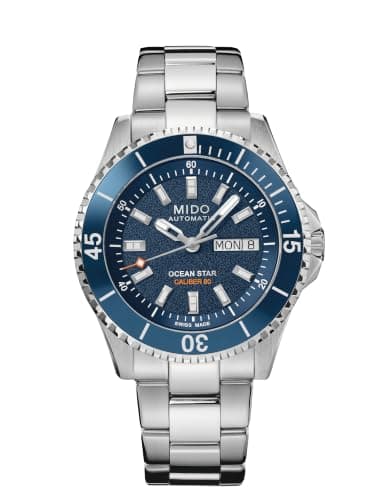
Mido Ocean Star 200, 80 hours, sapphire, 200 m
 See price on AmazonAmazon
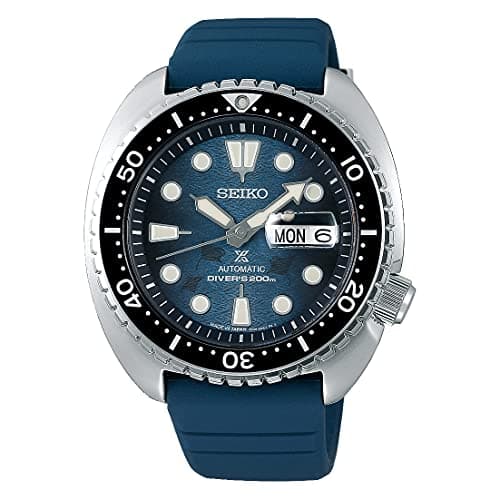
Seiko Prospex Turtle SRPF77: 45 mm, sapphire
From Best Seiko dive watches: Turtle, Monster, Samurai and 5 Sports