How-to
How to size a watch bracelet at home
Published
Short answer
Find the removable links (most have small arrows on the inside), then push the pin out in the direction of the arrow or unscrew the screw. Remove the same number of links from each side of the clasp so it stays centered, reconnect the bracelet, and fine-tune with the clasp's micro-adjust holes.
Watches and gear for this
All 7 picks compared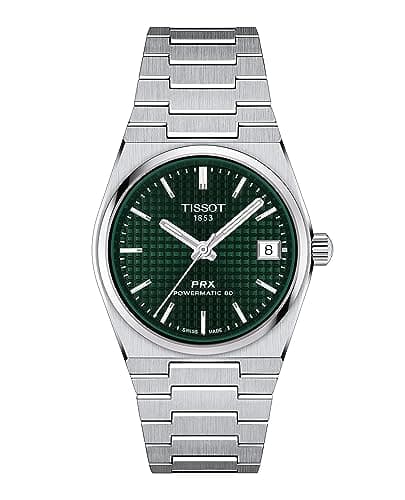
Tissot PRX 35 mm Powermatic 80: smaller wrists
See price on AmazonSee it on Amazon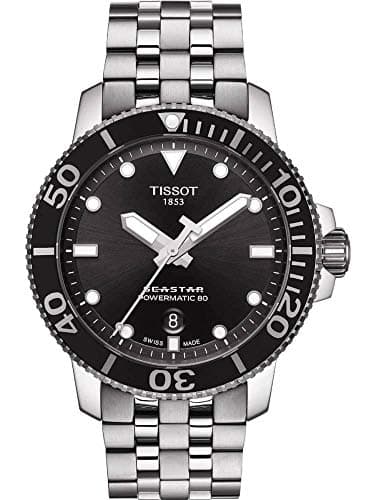
Tissot Seastar 1000 43 mm: 300 m automatic diver
See price on AmazonSee it on Amazon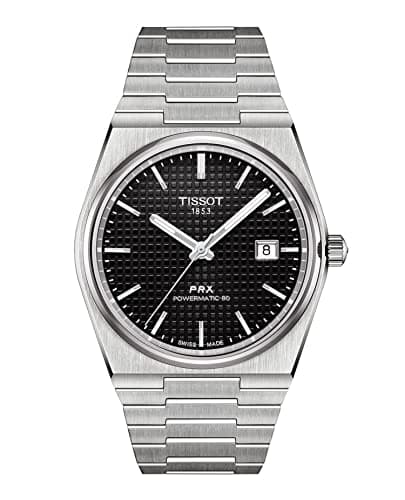
Tissot PRX 40 mm automatic: 10.93 mm, 100 m
See price on AmazonSee it on Amazon
New automatics like the Tissot PRX, Orient Kamasu and Seiko 5 Sports often arrive with a bracelet that is too long. A jeweler can size it, but you can do it at home with a few simple tools if you know what kind of link you have. This page covers pin and collar links, screw links, how to estimate how many links to remove, and how to finish with the clasp so the fit is comfortable all day.
Tools you need
- A bracelet pin pusher or a small sizing tool with a holder block. Basic kits are inexpensive.
- A small flat-head precision screwdriver that fits the screw slot exactly, for screw-link bracelets.
- A spring bar tool for the clasp micro-adjust.
- A soft cloth or towel, a small dish for pins and collars, and painter's tape to protect polished surfaces.
- Good light. A magnifier helps with tiny collars.
Note.A screwdriver that is too small will chew the screw slot. Stop and get the right size rather than forcing it.
Identify your link type
Pin and collar links use a split or solid pin that friction-fits into a tiny tube, called a collar, hidden inside the middle link. Seiko, Orient and many other Japanese bracelets use this type. The inside of the link usually shows a small arrow showing which way to push the pin out.
Split pins are folded metal pins that hold by spring tension. They push out the same way and also follow the arrow.
Screw links have a slot visible on the side of the link. Many Swiss bracelets use screws, and some use a screw on both ends (a double screw), where you hold one side with a second screwdriver while you turn the other. Tissot and Hamilton bracelets often use screws, but check your own bracelet, because systems vary by model and year.
Some newer bracelets use a push-button or tool-free system. If you see a small button on the inside of each removable link, check the maker's manual for that bracelet.
Work out how many links to remove
- 1
Measure your wrist where the watch sits. See how to measure your wrist for a watch.
- 2
Put the watch on, close the clasp and pinch the excess bracelet together under your wrist. Count the links you can pinch out while it still feels loose enough to slide one finger under.
- 3
Split that number between the two sides of the clasp, so the clasp stays under the center of your wrist. If the count is odd, take the extra link from the 6 o'clock side, which is the side that usually has more links.
- 4
Remove one link less than you think. You can always remove another, and a clasp micro-adjust can take up the last few millimeters.
Removing pin or collar links step by step
- 1
Lay the bracelet on the holder block or the towel with the inside facing up, and find the arrows.
- 2
Line up the pin pusher with the pin on the end opposite the arrow, and push in the direction of the arrow. Push slowly and straight.
- 3
When the pin comes out the other side, pull it free with your fingers. Watch for the collar, a tiny tube that may fall out. Put pin and collar in the dish.
- 4
Remove the second pin of the link you are taking out, then reconnect the bracelet: put the collar back in the middle link, line up the holes and push the pin in against the arrow direction until it sits flush.
- 5
Check that the reconnected link flexes freely and the pin does not stick out on either side.
Note.Never push a pin against the arrow to remove it. Split pins are designed to come out one way only and can jam or bend the link.
Removing screw links step by step
- 1
Hold the bracelet firmly on a cloth so it cannot slip.
- 2
Turn the screw counterclockwise with a screwdriver that fills the slot. On double-screw links, hold the other end still with a second screwdriver.
- 3
Pull the screw out and slide the link free. Keep the screw, since you will reuse it.
- 4
Reconnect the bracelet, insert the screw and tighten until snug. Do not overtighten.
- 5
Some owners add a tiny drop of removable thread locker so screws do not back out. If you do, use only a trace and keep it off the finish.
Finish with the clasp micro-adjustment
Most clasps have two or three small holes on each side where a spring bar holds the bracelet end. Moving the spring bar one hole changes the length by a couple of millimeters. Use a spring bar tool to compress the bar, move it, and let it click into the new hole. Some modern clasps add a tool-free extension that slides out a few millimeters, which is handy on hot days.
A good fit lets the watch sit on top of the wrist without spinning, with room to slide a finger under the clasp. Too tight leaves marks and feels hot; too loose lets the case slide down onto the wrist bone. Dive bracelets often have a diving extension for wearing over a wetsuit. If your watch has one, keep it folded for daily wear.
When to let a jeweler do it
Take the watch to a jeweler or authorized dealer if the bracelet uses a system you cannot identify, if a pin is stuck, if a screw slot starts to strip, or if the watch is new and you are worried about scratches. Keep the removed links in a labeled bag with the box and papers. You will want them if you sell the watch or if your wrist size changes. For watches that come with good bracelets, see our Tissot automatic guide and Seiko 5 Sports guide.
Frequently asked questions
How do I remove links from a Tissot PRX? Look at the inside of the PRX bracelet for the removable links and check whether they use screws or pins. Then follow the matching steps above. Tissot's manual for your reference shows the exact system, and an authorized dealer can size it if you prefer.
How do I shorten an Orient bracelet? Many Orient bracelets use pin and collar links marked with arrows. Push each pin out in the direction of the arrow and keep track of the tiny collars.
How many links should I remove? Pinch the excess under your wrist, count the links, then remove one fewer than that count, split between both sides of the clasp. Use the micro-adjust for the last bit.
Can I lose water resistance by sizing a bracelet? No. The bracelet is not part of the case seal, so removing links does not affect water resistance.
What you need for this
- See price on AmazonAmazon
Tissot PRX 35 mm Powermatic 80: smaller wrists
From Best Tissot automatic watches: PRX, Seastar, Le Locle and more
 See price on AmazonAmazon
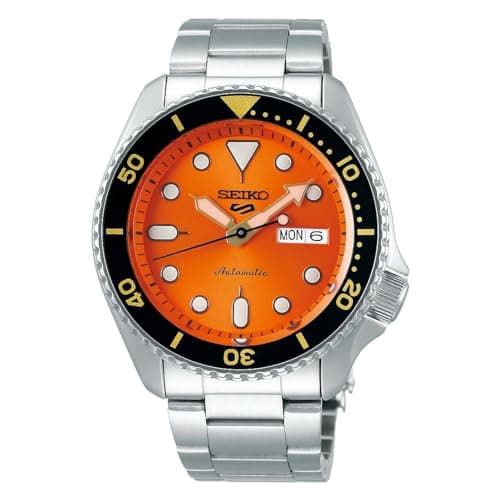
Seiko 5 Sports SRPD59: 4R36, 100 m, rotating bezel
 See price on AmazonAmazon
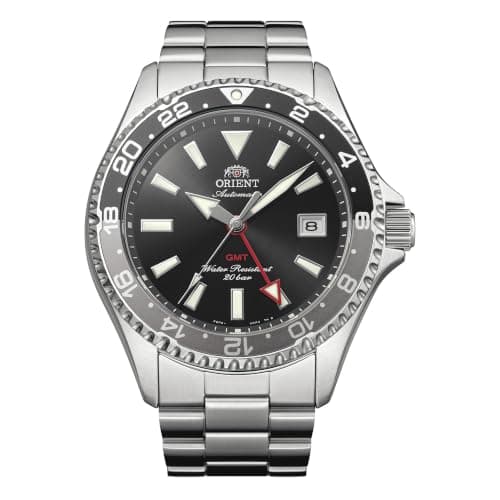
Orient Mako GMT: F6P22 with 24-hour bezel, 200 m
From Best Orient automatic watches: Kamasu, Mako, Bambino and Orient Star