Comparison
Automatic vs kinetic vs solar watches
Published
Short answer
All three avoid routine battery changes in different ways. An automatic is fully mechanical and wound by wrist motion. A kinetic, a Seiko design, uses a rotor to charge a rechargeable cell that runs a quartz movement. A solar watch charges its cell from light. Solar gives quartz accuracy with the least effort, automatic gives a mechanical movement, and kinetic sits in between.
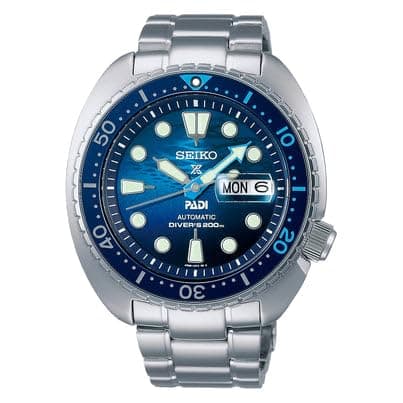
SEIKO
Seiko Prospex SRPK01 PADI: 45 mm, ceramic bezel
See price on Amazon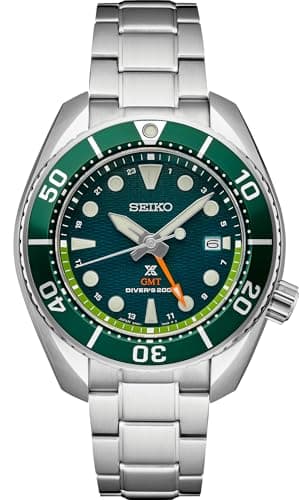
SEIKO
Seiko Prospex SFK003: solar GMT, ISO 200 m diver
See price on Amazon
- Seiko Prospex SRPK01 PADI: 45 mm, ceramic bezel
- Case size
- 45 mm
- Movement
- 4R36 automatic
- Water resistance
- 200 m diver
- Seiko Prospex SFK003: solar GMT, ISO 200 m diver
- Case size
- Not stated
- Movement
- Solar GMT, 5K65, 9 month reserve
- Water resistance
- 200 m, ISO scuba approved
| Pick | Case size | Movement | Water resistance | Price | Link |
|---|---|---|---|---|---|
| Seiko Prospex SRPK01 PADI: 45 mm, ceramic bezel | 45 mm | 4R36 automatic | 200 m diver | - | Amazon |
| Seiko Prospex SFK003: solar GMT, ISO 200 m diver | Not stated | Solar GMT, 5K65, 9 month reserve | 200 m, ISO scuba approved | - | Amazon |
Facts are taken from each Amazon listing. Prices are checked daily and shown with their date.
Verdict
Buy the Seiko SFK003 if you want quartz-level accuracy and a listed nine-month reserve with no battery swaps. Buy the Seiko SRPK01 if you want a mechanical automatic diver at a lower price and accept daily drift. We have no kinetic listing, so we cannot recommend a specific kinetic model.
This page is for buyers who want to skip routine battery swaps and are weighing an automatic against Seiko kinetic and solar models. We explain how each one is powered, what that means for accuracy, how long each keeps running off the wrist, and what upkeep looks like. We use a Seiko Prospex automatic diver and the Seiko SFK003 solar GMT as real examples, and we say plainly where no listing is available to confirm details.
Three ways to avoid battery swaps
Automatic: a rotor winds a mainspring as you move, and the spring drives a purely mechanical movement. There is no battery or circuit at all. See what an automatic watch is.
Kinetic: Seiko's kinetic design also uses a swinging rotor, but the rotor spins a tiny generator that charges a rechargeable cell. That cell powers a quartz movement, so timekeeping is quartz-like while charging comes from wrist motion.
Solar: a light-sensitive panel, usually under the dial, charges a rechargeable cell that runs a quartz movement. Any light source helps, though stronger light charges faster.
- Wrist motionYour arm moves.
- RotorA half-moon weight spins on its axle.
- Reversing wheelsTurn both swing directions into winding.
- Mainspring barrelStores the energy as a coiled spring.
- Gear trainCarries the power to the hands.
- Escape wheelReleased one tooth at a time.
- Pallet forkLocks and unlocks the escape wheel.
- Balance wheelSwings back and forth at a steady rate.
Spec table: the models we can confirm
Only the two Seiko models below have listings on our site, so the table is limited to what those listings say. We do not have a kinetic listing, so no kinetic specs are confirmed here.
| Model | Power source | Reserve | Water resistance | Other listed details | Listed price |
|---|---|---|---|---|---|
| Seiko Prospex SRPK01 | 4R36 automatic, hand-winding, stop-second | About 41 hours | 200 m diver's | 45 mm steel case, sapphire with magnifier, ceramic bezel, day/date | $569 |
| Seiko Prospex SFK003 Solar GMT | Solar, listed as Seiko's first solar GMT | Up to 9 months on a full charge | 200 m, ISO scuba-approved per listing | Steel case and bracelet, LumiBrite, orange GMT hand | $945 |
| Seiko kinetic (any model) | Not confirmed: no listing | Not confirmed | Not confirmed | Not confirmed | Not listed |
Note.The SFK003 listing describes a solar movement in one line and calls caliber 5K65 an automatic movement in another. Those cannot both be right. Confirm the caliber with Seiko's spec sheet before buying.
Accuracy and how often you reset the time
Solar and kinetic watches run quartz movements, so they are generally far more accurate than any mechanical watch. You will rarely need to correct them beyond date changes and daylight saving time.
The SRPK01's 4R36 is a mechanical movement and will drift by seconds per day. That is normal for an automatic. If that sounds frustrating, read automatic vs quartz and how accurate an automatic should be before choosing.
Off the wrist: reserve and stopping
This is where solar shines. The SFK003 lists up to nine months of running on a full charge, so it keeps going in a drawer for a long time. Leave it near a window now and then and it tops itself up.
The SRPK01 lists about 41 hours, so it will often stop after a full day and night off the wrist. You restart it by winding the crown or giving it a few swings and then set the time. Our pages on power reserve and starting a stopped automatic explain the routine.
Kinetic sits in between: it stores charge in a cell, so it can run for a while off the wrist, but it only charges when it is moved. Reserve varies by model and we cannot confirm a figure without a listing.
Upkeep over the years
Every option has some long-term maintenance. Automatics need periodic full services because their oils age and parts wear; see how often to service an automatic. Solar and kinetic watches avoid routine battery swaps, but their rechargeable cells can lose capacity over many years and may eventually need replacing by a watchmaker or the brand's service center.
On divers, any time the caseback is opened the gaskets should be checked and the case pressure tested to keep the water resistance rating.
- Automatic: no cell, but periodic mechanical service.
- Kinetic: rechargeable cell charged by motion, quartz timekeeping.
- Solar: rechargeable cell charged by light, quartz timekeeping, least effort to own.
Which one fits you
Choose solar if you want a watch that just runs, keeps quartz accuracy and survives months in a drawer. Choose an automatic if the mechanical movement is the point and you do not mind resetting it or using a watch winder. Kinetic suits people who like the idea of motion charging with quartz accuracy, but check current availability and specs from Seiko directly, since we have no listing to confirm a model.
For more choices, browse our Seiko dive watches and GMT watches under $1,000.
Frequently asked questions
Is a kinetic watch the same as an automatic? No. Both use a rotor, but a kinetic turns that motion into electricity for a quartz movement, while an automatic winds a mainspring for a mechanical movement.
How long does a solar watch run in the dark? It depends on the model. The Seiko SFK003 listing states up to nine months on a full charge.
Do solar watches ever need a new battery? They use a rechargeable cell rather than a disposable battery. Over many years the cell can lose capacity and may need replacement.
Which is most accurate? Solar and kinetic, because both run quartz movements. An automatic drifts by seconds per day.
What you need for this
 See price on AmazonAmazon
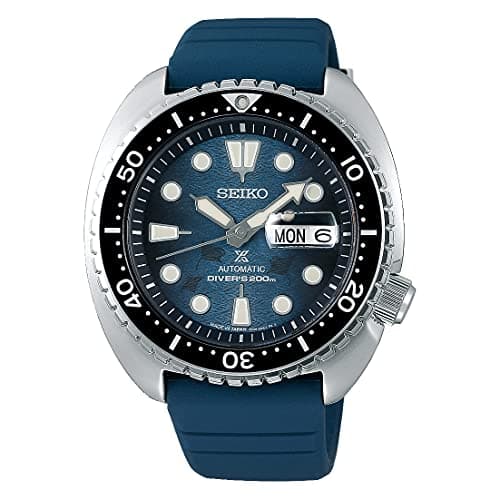
Seiko Prospex Turtle SRPF77: 45 mm, sapphire
From Best Seiko dive watches: Turtle, Monster, Samurai and 5 Sports
 See price on AmazonAmazon
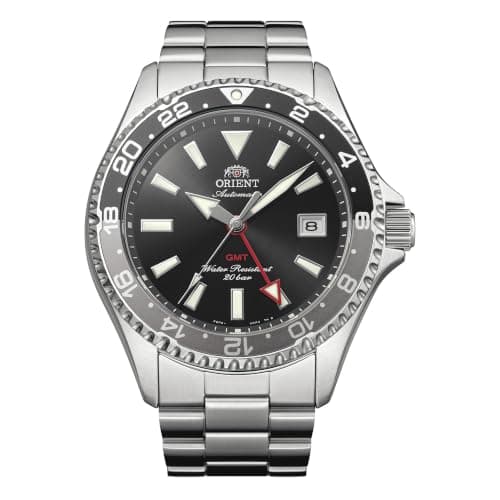
Orient Mako GMT: F6P22 with 24-hour bezel, 200 m
 See price on AmazonAmazon
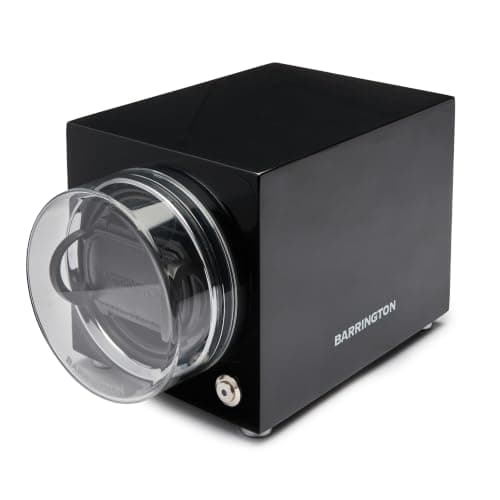
Barrington Single, five TPD settings, 6.5 to 8.5 in