Comparison
Dive watch vs field watch: which one to wear every day
Published
Short answer
A dive watch gives you a rotating timing bezel, a screw-down crown and usually 200m water resistance, at the cost of a bigger, thicker case. A field watch is simpler, smaller and easier to read at a glance, with less water resistance. If you swim often or want one tough watch for everything, pick a diver; if you want something light that fits under a cuff and goes with more clothes, pick a field watch.
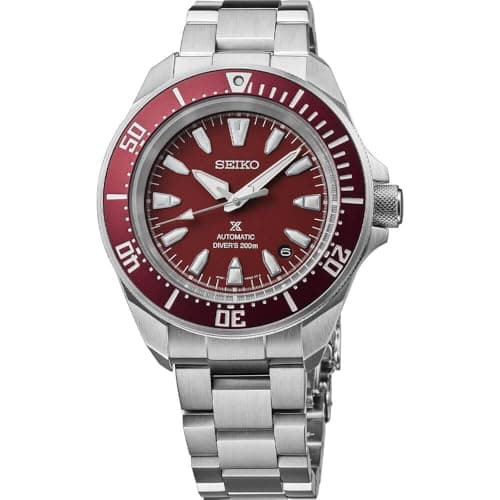
SEIKO
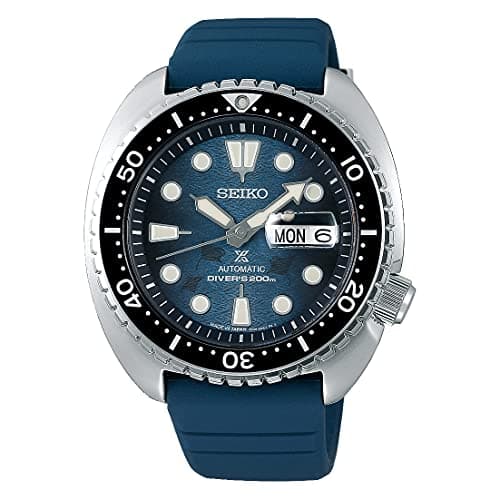
Seiko Prospex SRPL11: 41.7 mm, 49.5 mm lug to lug
See price on Amazon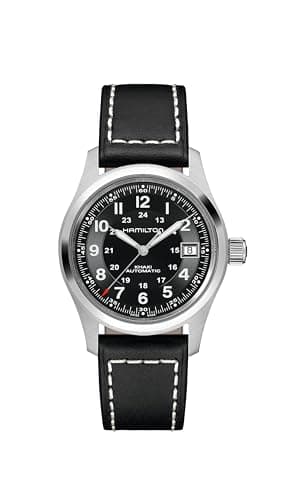
Hamilton
Hamilton Khaki Field Auto 38mm, H-10, 100 m
See price on Amazon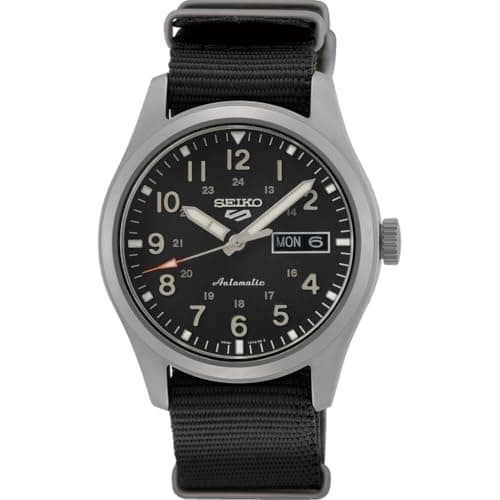
SEIKO
Seiko 5 Sports SRPG37 field, 39.4mm
See price on Amazon
- Seiko Prospex SRPL11: 41.7 mm, 49.5 mm lug to lug
- Case size
- 41.7 mm
- Movement
- 4R35 automatic
- Crystal
- Hardlex
- Water resistance
- 200 m diver
- Hamilton Khaki Field Auto 38mm, H-10, 100 m
- Case size
- 38 mm
- Movement
- Swiss H-10 automatic
- Crystal
- -
- Water resistance
- 100 m
- Seiko 5 Sports SRPG37 field, 39.4mm
- Case size
- 39.4 mm
- Movement
- Seiko 4R36 automatic, hand-winding
- Crystal
- Not stated
- Water resistance
- 10 bar
| Pick | Case size | Movement | Crystal | Water resistance | Price | Link |
|---|---|---|---|---|---|---|
| Seiko Prospex SRPL11: 41.7 mm, 49.5 mm lug to lug | 41.7 mm | 4R35 automatic | Hardlex | 200 m diver | - | Amazon |
| Hamilton Khaki Field Auto 38mm, H-10, 100 m | 38 mm | Swiss H-10 automatic | - | 100 m | - | Amazon |
| Seiko 5 Sports SRPG37 field, 39.4mm | 39.4 mm | Seiko 4R36 automatic, hand-winding | Not stated | 10 bar | - | Amazon |
Facts are taken from each Amazon listing. Prices are checked daily and shown with their date.
Verdict
Get the Seiko Prospex SRPL11 if you swim or want one tough watch with a timing bezel and 200m rating. Get the Hamilton Khaki Field Automatic 38mm for a slim, legible everyday watch with an 80-hour reserve, or the Seiko 5 Sports SRPG37 if you want the field style at the lowest listed price.
Dive watches and field watches are the two most common answers to the question of which single watch to own. Both are tool watches with clear dials and lume, but they are built for different jobs, and that shows up in the bezel, the crown, the case size and how the watch sits on your wrist. This page compares the two styles feature by feature using three real listings: the Seiko Prospex SRPL11 diver, the Hamilton Khaki Field Automatic 38mm and the Seiko 5 Sports SRPG37 field watch. It ends with a plain recommendation for a one-watch collection.
What makes a dive watch a dive watch
A dive watch is built around timing a dive. The key part is a unidirectional rotating bezel: you line up its triangle with the minute hand when you start, and read elapsed time off the bezel. It only turns one way so a knock can only make the timed interval look longer, never shorter. Dive watches also commonly have a screw-down crown, a screw case back, strong lume on the hands, markers and bezel, and water resistance of 200m or more.
A watch sold as a diver's watch can be certified to the ISO 6425 standard, which sets minimum requirements for water resistance testing, legibility in the dark and the bezel. See what is ISO 6425 and how to use a dive watch bezel.
What makes a field watch a field watch
A field watch comes from military issue watches meant to be read fast in poor conditions. It usually has a plain black or khaki dial with large Arabic numerals, often a 24-hour inner track, lumed hands and a fixed bezel. Cases tend to be smaller and slimmer, and they are often sold on canvas, textile or leather straps.
Water resistance on field watches is typically lower than on divers, often 50m to 100m, which is fine for rain, hand washing and usually a swim, but they are not made for diving. Read what is a field watch for the history and the design rules.
Side by side: one diver and two field watches
This table uses only what each Amazon listing states. Where a listing does not give a measurement, it says so instead of guessing. The Seiko SRPL11 is unusually complete, with thickness and lug to lug printed in the listing.
| Seiko Prospex SRPL11 (diver) | Hamilton Khaki Field Auto 38mm | Seiko 5 Sports SRPG37 (field) | |
|---|---|---|---|
| Case diameter | 41.7mm | 38mm | 39.4mm |
| Thickness | 12.3mm | Not confirmed in listing | Not confirmed in listing |
| Lug to lug | 49.5mm | Not confirmed in listing | Not confirmed in listing |
| Lug width | 20mm | Not confirmed in listing | Not confirmed in listing |
| Water resistance | 200m diver's, screw-down crown | 100m | 10 bar (100m) |
| Bezel | Unidirectional rotating | Not stated in listing | Not stated in listing |
| Movement | Seiko 4R35, about 41 hours | Swiss H-10, 80 hours | Seiko 4R36 |
| Crystal | Hardlex | Sapphire | Not stated in listing |
| Strap in this listing | Bracelet, three-fold clasp with extender | Leather | Nylon |
| Listed price | $476.00 | $795.00 | $252.00 |
Size and comfort: lug to lug matters more than diameter
Dive watches tend to wear larger than their diameter suggests because the bezel, crown guards and thicker case add bulk. Lug to lug, the distance from the tip of the top lugs to the tip of the bottom lugs, decides whether the watch overhangs your wrist. The SRPL11 lists 49.5mm, which many wrists around 6.5 inches and up handle well, but you should check it against your own wrist with the wrist fit calculator.
Field watches in the 38mm to 40mm range usually sit flatter and slip under a shirt cuff more easily. That is a big part of why they work as everyday watches for smaller wrists. See lug to lug explained and the best automatic watches for small wrists if you are between sizes.
Which to choose for a one-watch collection
Pick a dive watch if you swim, snorkel or spend time near water, if you want the rotating bezel for timing things like parking meters and cooking, or if you like a heavier, sturdier feel. A diver on a bracelet also dresses up surprisingly well with a casual shirt.
Pick a field watch if you want the lightest, most legible option, mostly wear it at a desk or outdoors on land, and like a watch that does not draw attention. A field watch on a leather strap moves between jeans and a jacket more easily than most divers. For more divers at different prices, browse the best dive watches under $500.
- Swims weekly: diver with 200m and a screw-down crown.
- Small or flat wrist: 38mm to 40mm field watch.
- Wants one watch for office and weekends: field watch, or a diver on a bracelet with a modest lug to lug.
Frequently asked questions
Can you swim with a field watch? Many field watches rated 100m are suitable for swimming, but a 50m rating is borderline. Check the rating and whether the crown screws down, and see water resistance ratings explained or the water resistance decoder.
Is a dive watch too formal or too casual? Most dive watches read as casual sports watches. On a steel bracelet they work with business casual; with a suit, a slim dress watch fits better.
Why is a dive watch bezel unidirectional? If it gets knocked, it can only move in the direction that shows more elapsed time, so a diver would surface early rather than late. That safety logic is part of ISO 6425.
Are field watches always smaller? No. Field watches come in sizes from 38mm up to 42mm and beyond, for example the Hamilton Khaki Field Automatic is also listed in 42mm. They just tend to be slimmer than divers of the same diameter.
What you need for this
- See price on AmazonAmazon
Hamilton Khaki Field Auto 38mm, H-10, 100 m
 See price on AmazonAmazon
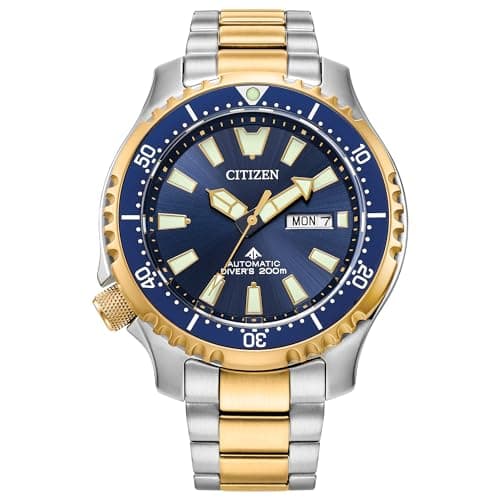
Citizen Promaster Fugu NY0154: 44 mm, 200 m
 See price on AmazonAmazon
Seiko Prospex Turtle SRPF77: 45 mm, sapphire
From Best Seiko dive watches: Turtle, Monster, Samurai and 5 Sports