How-to
How to care for an automatic watch
Published
Short answer
Wear or wind it regularly, set the date outside the 9 pm to 3 am zone, keep the crown pushed or screwed in, keep it away from magnets and hard knocks, rinse it after salt water, and store it somewhere dry. Then have it serviced and pressure tested at the interval your maker recommends.
Watches and gear for this
All 7 picks compared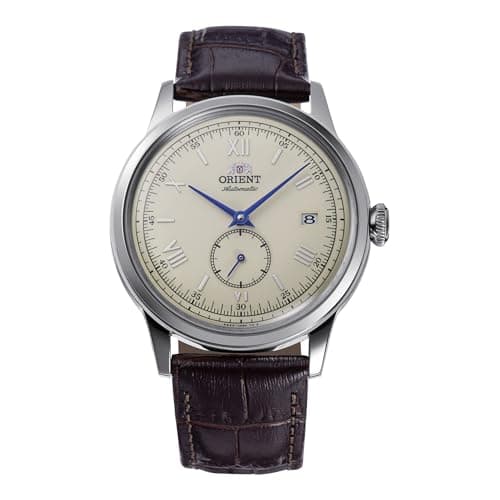
Orient Bambino V7: 38.4 mm with 44 mm lug to lug
See price on AmazonSee it on Amazon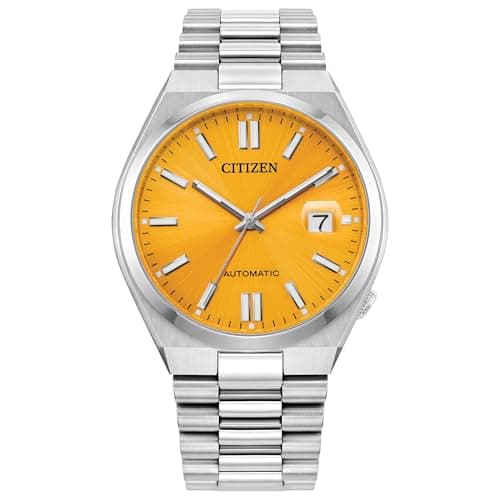
Citizen Tsuyosa NJ0150: 40 mm with sapphire crystal
See price on AmazonSee it on Amazon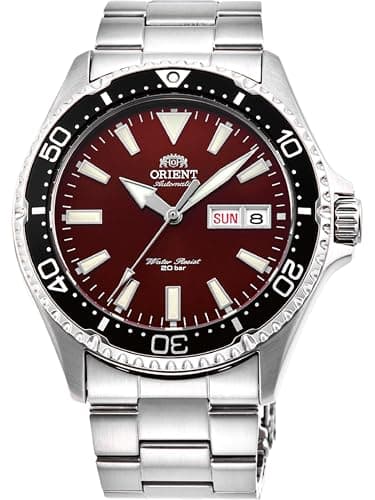
Orient Kamasu: sapphire and 120-click bezel at 41.8 mm
See price on AmazonSee it on Amazon
An automatic watch can last for decades with simple care. Most problems owners run into, like a watch that runs fast, a broken date, or water under the crystal, come from a few avoidable habits. This page lists the daily habits, the water and cleaning checks, how to store a watch, and when to have it serviced. It is for new owners of a Seiko 5, Orient, Tissot, Hamilton or any other mechanical watch.
Daily habits that matter
- Wear it or wind it. A regularly running watch keeps better time. If you hand wind, a few crown turns each morning helps on low-activity days.
- Set the date safely. Move the hands to about 6 o'clock before using the quick-set date. See how to set an automatic watch.
- Keep the crown in. Push it in fully, and screw it down if it is a screw-down crown.
- Take it off for impact sports, heavy hammering or golf, where repeated shocks can affect the rate.
- Keep it away from magnets: phones, tablets, speakers, laptop lids and magnetic bag clasps.
Water resistance checks
The depth on the dial is a pressure test rating, not a safe diving depth. A 50 m watch is commonly considered fine for rain and splashes, 100 m for swimming, and an ISO 6425 diver for scuba. Our water resistance decoder shows the usual guidance for each rating, and water resistance ratings explained covers it in depth.
Gaskets age with time, heat and chemicals, even if you never swim. Have water resistance tested at each service, and any time the watch has taken a hard knock or the crystal or caseback was opened.
- Never operate the crown or pushers in water unless your maker says it is allowed.
- Avoid saunas, hot tubs and hot showers. Heat and steam stress the seals.
- Rinse in fresh water after salt water or a chlorinated pool, with the crown closed.
- If you see fog under the crystal, stop wearing it in water and see a watchmaker soon.
Cleaning your watch
- 1
Check the crown is closed.
- 2
For metal bracelets and water resistant cases, wipe with a soft cloth dampened with lukewarm water and a drop of mild soap. A soft toothbrush gets between links.
- 3
Rinse briefly with fresh water if the watch is rated for it, then dry with a soft cloth.
- 4
For leather straps, wipe with a dry or barely damp cloth only, and let them air dry away from heat.
- 5
Avoid solvents, alcohol and ultrasonic cleaners on the watch head; leave deep cleaning to a watchmaker.
Storage when you are not wearing it
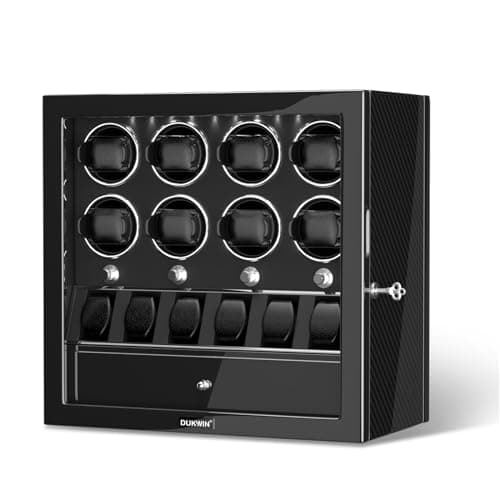
Store watches in a dry place at room temperature, in separate compartments so they do not scratch each other, and away from magnets and direct sun. You can let an automatic stop, wind it on a schedule, or keep it on a winder; none of these harms a modern movement if done sensibly. See how to store automatic watches. If you choose a winder, set the lowest turns per day that keeps it running; see watch winder TPD settings and our watch winders with storage.
Servicing and when to see a watchmaker
Mechanical movements rely on oils that slowly age. Makers publish recommended service intervals in their manuals, and they differ by brand and movement, so check yours rather than relying on a general number. A service usually includes cleaning, lubrication, regulation, new gaskets and a pressure test. Read how often to service an automatic watch for more.
See a watchmaker sooner if the watch suddenly runs very fast or slow, stops repeatedly even when fully wound, the crown feels gritty or loose, the date sticks, or there is moisture under the crystal.
| How often | What to do |
|---|---|
| Daily | Wear or wind; keep crown closed; avoid magnets |
| Weekly | Wipe the case and bracelet; check time against a reference |
| After water | Rinse in fresh water if salt or chlorine; dry |
| Yearly or before a beach trip | Have water resistance checked on watches you swim with |
| Per maker interval | Full service |
Small habits that prevent big repairs
Most avoidable damage comes from a few moments: setting the date at night, swimming with the crown out, dropping the watch on a hard floor while changing straps, and leaving it next to a phone. Change straps over a towel, use the right spring bar tool, and keep the watch off the bathroom counter. If your watch starts acting strangely, start with automatic watch running fast or automatic watch keeps stopping, and browse all care and fixes articles. If you are still choosing a first watch, our automatic watches under $500 guide is a good place to start.
Frequently asked questions
Do automatic watches need maintenance? Yes, but little day to day. Wear or wind it, avoid magnets and shocks, and have it serviced at your maker's recommended interval.
Is it bad to let an automatic watch stop? No. Letting it stop does no harm. Wind and set it before wearing it again.
Can I wear my automatic watch in the shower? It is best avoided even on water resistant watches, because hot water, steam and soap stress the seals.
How do I know if my watch is magnetized? A sudden gain of many seconds or minutes per day is the most common sign. A watchmaker can check and demagnetize it quickly.